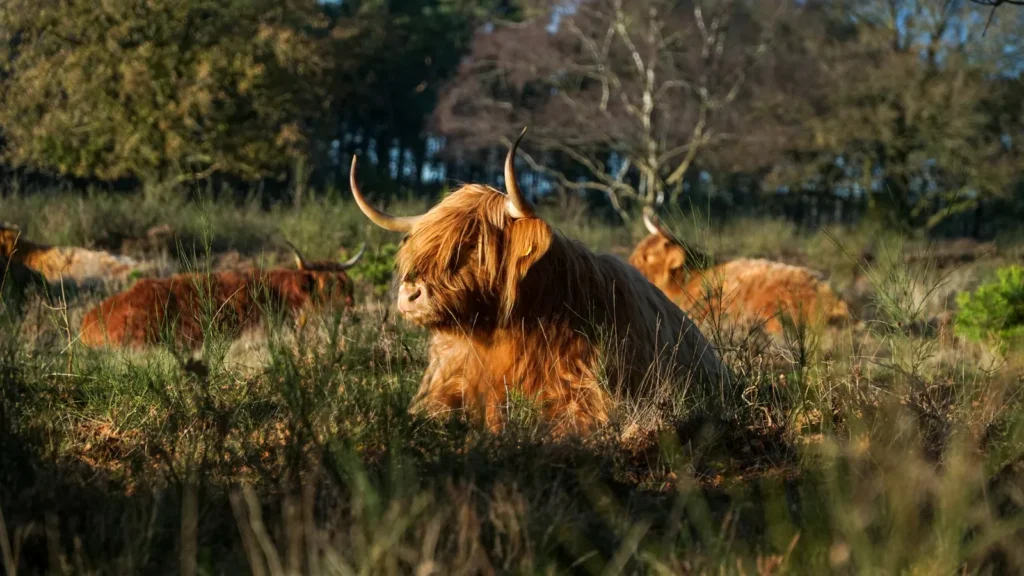
How much does a Highland cow cost? The honest answer is that it depends on what you are buying. A young calf may sell for a few thousand pounds or dollars, a registered breeding cow can cost several times more, and a rare miniature Highland with strong genetics can reach five figures.
This guide breaks down typical price ranges, explains what pushes a price up or down, lists the running costs that surprise first-time owners and shows how to avoid overpaying. Prices change with the market and with each breeder, so treat every figure as a guide rather than a quote.
How much does a Highland cow cost? The short answer
Published price guides disagree, which is typical for a breed with a very wide market. A plain, unregistered calf from a working farm sits at the bottom of the range, while a registered heifer from a well-known fold, or a miniature with a fashionable coat colour, sits at the top. The table below pulls together the ranges most often given in United States dollars.
| Type of animal | Typical published range |
|---|---|
| Highland calf | About $1,000 to $5,500 |
| Breeding-age heifer or cow | About $2,000 to $10,000 |
| Registered breeding stock | About $6,000 to $15,000 or more |
| Highland bull | About $2,000 to $7,000 |
| Miniature Highland | About $2,000 to $12,000, with rare animals higher |
In the United Kingdom, pedigree Highlands are sold in guineas, and one guinea is £1.05. Society sales at Oban regularly report show-quality animals making ten thousand guineas or more, and a bull set a new breed record of 34,000 guineas in February 2026. Those are top lots, not typical prices. A good working Highland from a commercial herd usually costs far less, so ask breeders for current prices rather than relying on headlines.
What affects the price of a Highland cow
- Age. Calves are cheaper to buy, but they need more care and time before they breed. Weaned calves with some handling cost more than very young ones.
- Sex. Heifers usually cost more than steers or bull calves, because every heifer is a possible breeding animal.
- Registration and pedigree. Animals with documented pedigree and registration papers sell for more than unregistered cattle with unknown lineage.
- Colour. Red, dun, yellow, black, brindle and white coats each have followers, and some colours are in fashion at any given time.
- Size. Miniature Highlands have gained viral popularity online, and demand has pushed prices up.
- Horns. Horned and polled animals are priced differently depending on the buyer’s needs.
- Breeder reputation. Well-known folds with strong show records can charge a premium.
- Location. Prices vary by region, and delivery costs rise with distance.
Price by type of Highland cattle
Calves
A calf is the usual entry point for new owners. Guides give a wide range, from about $1,000 to around $5,500, depending on whether the calf is registered, how old it is and where it comes from. Very young bottle calves need intensive care, so many first-time owners prefer weaned calves that have already been handled.
Heifers and cows
Breeding-age females cost more because they can produce calves for years. A heifer in calf can command a higher price still, because you are buying two animals in one. If you want to breed, ask for fertility history and calving records.
Bulls
Bulls generally cost less than breeding cows, because the market needs fewer of them. A bull needs strong fencing and experienced handling, and many small owners prefer to hire or share a bull rather than keep one.
Steers
Steers, which are castrated males, are often the cheapest way to keep a Highland. They suit people who want a gentle companion animal or a grazing partner, rather than a breeding herd.
Miniature Highlands
Miniature is not a separate formal breed, so adult size is the thing to verify. A calf sold as a mini may not stay small, so ask for the heights and weights of both parents. Guides quote prices of about $2,000 to $12,000, and an animal with rare colouring and proven genetics can cost more. Be careful with any seller who pushes a fast sale, because the viral market attracts bad practice.
Costs beyond the purchase price
The price of the animal is only the start. These are the running costs that catch first-time owners out:
- Transport. Delivery quotes of a few hundred to over a thousand dollars appear in some guides, and longer distances cost more.
- Fencing and shelter. Highlands are hardy, but they need secure fencing, a windbreak or shelter and dry ground. If your plot needs groundwork, our guide on how to excavate a construction site explains how groundwork is planned safely.
- Feed. Grass covers much of the year, but hay or haylage is needed in winter, along with minerals.
- Veterinary care. Allow for vaccination, worming, routine checks and emergency call-outs.
- Handling facilities. A crush or handling pen makes health checks and hoof care far safer.
- Registration, tags and insurance. Identification, passports or registration fees, and cover for third-party liability add up.
- Land. Cattle need grazing space, and rented land can be the largest ongoing cost.
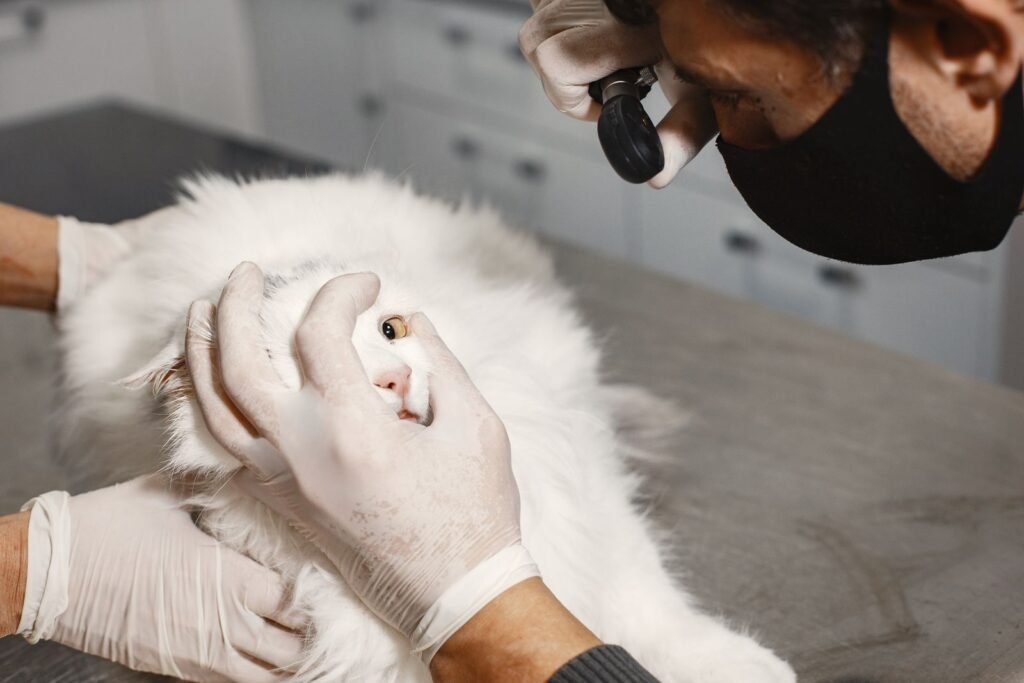
If you already keep other animals, our guide on how to tell if a cat has rabies and the wider pets section may help you plan animal health across your holding.
Rules and responsibilities
Keeping cattle comes with legal duties that vary by country. In Great Britain, for example, cattle must be identified with ear tags and registered, and keepers need to register their land. In the United States, rules differ by state. Check with your local agricultural authority before you buy, because you may need a holding number, movement records or testing for some diseases.
Where to buy a Highland cow
The safest route is a registered breeder. The Highland Cattle Society, which has kept the official UK breed register since 1884, lists breeders, regional clubs and sales, including its cattle for sale page and its show and sale calendar. Buying through a society sale gives you pedigree records and the chance to compare many animals in one day. Private breeders and local farms are also good sources, especially for steers and commercial animals.
Before you commit, ask the seller:
- Is the animal registered, and can you see the papers?
- What is its age, and has it been weaned and handled?
- What is the health status of the herd, including testing required in your area?
- Can you meet the parents and see them in the field?
- What are the adult height and weight of the parents, especially for a mini?
- Is delivery included, and what does it cost?
Is a Highland cow worth the cost?
Strengths
- A hardy breed that copes well with wet, cold and rough grazing.
- A calm temperament that many owners find easy to handle.
- A distinctive look that attracts attention and interest.
- Good beef for owners who raise animals for the table.
Things to weigh
- Prices vary hugely, and fashionable animals cost a premium.
- Running costs can exceed the purchase price over a few years.
- Horns need careful handling around children and other animals.
- Cattle are social, so a single animal can be unhappy alone.
How to avoid overpaying
- Decide whether you want a pet, a breeding herd or beef animals before you shop.
- Compare at least three sellers, and note what each price includes.
- Do not pay extra for a colour trend unless it matters to your plans.
- Check that registration, health records and passports are in order before you pay.
- Budget for at least two animals, because cattle are herd animals.
Frequently asked questions
How much does a Highland cow cost?
Prices range from about $1,000 to $5,500 for a calf, $2,000 to $10,000 for a breeding-age female and $6,000 to $15,000 or more for registered stock. Miniatures can cost $2,000 to $12,000. Local markets and breeders set the final price.
How much does a Highland calf cost?
Guides quote roughly $1,000 to $5,500, depending on registration, age and breeder. A plain, unregistered calf from a working farm costs the least, while a registered calf from a well-known fold costs more. Ask what vaccinations and handling are included.
Are miniature Highland cows more expensive?
Often, yes. Demand for small Highlands has grown, and guides quote about $2,000 to $12,000. Because mini is not a formal breed, check parental sizes and ask for registration papers before paying a premium for a small adult size.
Why do Highland cows cost so much?
Pedigree, registration, colour, size and breeder reputation all affect price. Heifers cost more than steers because they can breed. Viral popularity of mini Highlands has also pushed prices up, even though the animals are no easier to raise.
What does it cost to keep a Highland cow?
Costs include feed, hay in winter, fencing, shelter, vet care, hoof care, tags or registration and insurance. Land is often the biggest expense. Many owners find that annual running costs add up to a substantial share of the purchase price.
Can I keep one Highland cow on its own?
It is not advised. Cattle are herd animals and are happier with company, so plan for at least two animals. A steer or a second Highland can keep a single animal calm and reduce stress when you are away.
Conclusion
A Highland cow can cost anywhere from a modest sum for a plain calf to several times that for registered breeding stock, with miniatures and show animals at the top. Decide your purpose, compare breeders, budget for fencing, feed and vet care, and buy through registered sources so the price you pay reflects the animal you actually get.

Lois Snyder is a versatile writer with experience across multiple domains. She crafts engaging and informative content, delivering valuable insights and captivating readers with her expertise and passion for diverse topics.