The Correll blow-molded plastic activity table is a height-adjustable commercial table made for classrooms, art rooms, offices and community spaces. It pairs a lightweight plastic top with a steel frame, so it is easy to move, simple to wipe clean and tough enough for daily use. It also works well at home for crafts, homework and playroom projects.
This guide explains what the table is made of, which sizes and shapes are available, how the height adjustment works, where it fits best and what to check before you buy. Prices, colours and stock change often, so confirm the details with the seller on the day you order.
What is a Correll blow-molded plastic activity table?
Correll is a US furniture maker known for tables used in education and offices. Its activity tables use a blow-molded plastic top, a process that shapes molten plastic into a hollow, lightweight panel. The result is a table top that is far lighter than solid wood or laminate, yet rigid enough to hold crafts, books and equipment. Listings describe the top as having a backer sheet that helps resist warping over time, and say the colour runs all the way through the plastic, so it does not scrape or wear off.
The top sits on a steel frame with tube legs and non-marring feet. Each leg attaches to the top with heavy-duty bolts, and the legs can be set to different lengths, which is what makes the table suitable for children and adults. One listing notes that the table is made in the United States.
Key features at a glance
| Feature | What listings describe |
|---|---|
| Top | Lightweight blow-molded plastic, resistant to scratches and impacts, with rounded corners |
| Frame | Steel frame with tube legs and non-marring feet, in black or silver depending on the model |
| Height range | Adjustable from 19 to 29 inches (about 48 to 74 cm) in 1 inch steps on common rectangular models |
| Weight capacity | 250 lb (about 113 kg) of evenly distributed weight on a listed rectangular model |
| Surface | Waterproof and resistant to stains from juice, crayons, paint and permanent marker, according to product descriptions |
| Assembly | Assembly required, with a wrench supplied for height adjustment on some models |
| Use | Indoor use in schools, nurseries, offices, churches and community centres |
Specifications vary between models and sellers, so check the exact model number before you order. The specification listing for a gray granite rectangular model is a useful example of the level of detail you should expect to see.
Sizes, shapes and colours
Rectangular tables
Rectangles are the most common choice. Listed sizes include 48 by 24 inches (about 122 by 61 cm), 60 by 30 inches (about 152 by 76 cm), 72 by 30 inches (about 183 by 76 cm) and 96 by 30 inches (about 244 by 76 cm). Shipping weights shown in listings are roughly 36 lb for the 48 inch table, 46 lb for the 60 inch table and 52 lb for the 72 inch table, which shows how light these tables are for their size. A 60 by 30 inch rectangle suits a small group, while the longer sizes work for shared art stations and workshop benches.
Round tables
A 60 inch round version is listed in grey, and it suits group activities where everyone needs equal access to the middle of the table. Round tables remove corners, which some teachers prefer for small children.
Kidney tables
Kidney-shaped tables, such as a 72 by 48 inch model with a 16 to 30 inch height range, give a teacher or helper a place to sit in the curve while small groups work around the outside. A listing for this style shows capacity for six users.
Colours
Common finishes include gray granite and bold solid colours such as red, blue, green and yellow, usually paired with a black frame. Pick a neutral colour for offices and craft rooms, and a bright colour if you want to colour-code zones in a classroom.
Where the table works best
- Classrooms: the adjustable height lets one table serve several age groups across a school year.
- Art and science areas: the plastic top resists staining and can be wiped clean after paint, glue and crayons.
- Nurseries and daycare: lower height settings suit very young children, and rounded corners reduce bumps.
- Churches and community halls: the lightweight top is easy to carry and set up for classes and events.
- Offices and break-out spaces: a quick work surface that can be moved as layouts change.
- Home playrooms and craft rooms: a sturdy table that survives messy projects and can grow with a child.
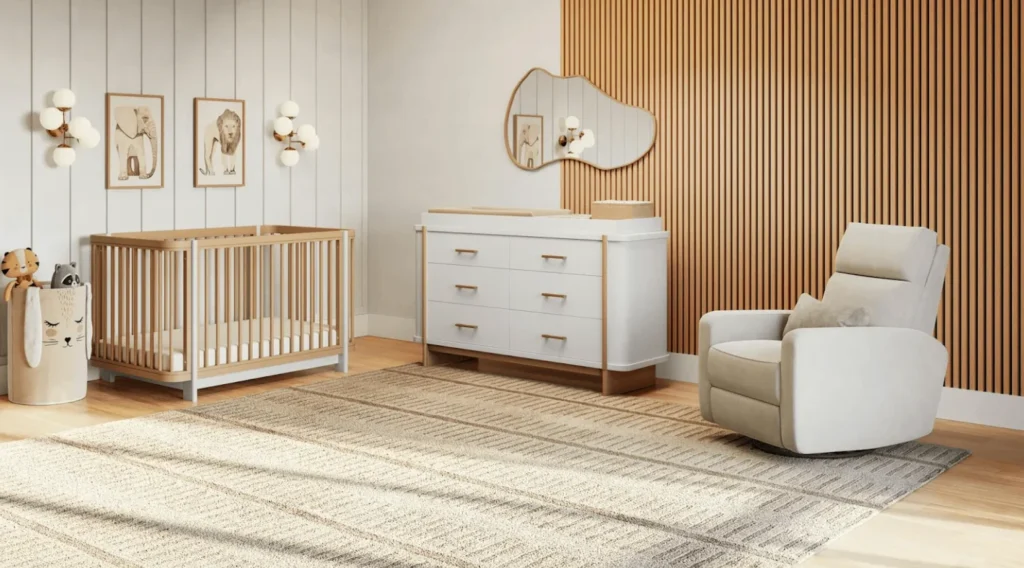
If you are planning a children’s space at home, our guide on how to create a calm and minimalist nursery space covers layout ideas that pair well with a simple activity table.
How to choose the right size and height
- Measure the room first. Mark the table’s footprint on the floor with tape and check that you can still walk around it comfortably and open doors and cupboards.
- Count the users. A 60 by 30 inch rectangle usually works for four to six children as a planning guide, but the real number depends on age and activity.
- Match height to your chairs. A common rule for children is that the tabletop sits roughly 9 to 12 inches above the seat, so test with the chairs you will actually use.
- Plan for growth. The 1 inch height steps allow you to raise the table as children grow or when adults use it.
- Think about storage. A lightweight table is easy to move, but you still need a place to stand it or tuck it away if you reconfigure the room.
Price and what affects it
Retail prices vary by size, colour, shape and seller. In the listings checked for this guide, common 60 and 72 inch rectangles ranged from about $260 to $385, a 48 by 24 inch rectangle was around $234, a 96 by 30 inch rectangle was around $514 and a 60 inch round was around $485. Kidney tables cost more, with one school supplier showing sale prices in the mid-$500s against a higher list price. Treat these figures as a snapshot and compare at least two sellers.
Also compare delivery costs and lead times. Some sellers ship from the manufacturer, and one listing for a kidney table gave a lead time of several weeks. If you need tables by a certain date, ask before you order.
Setting up and adjusting the table
Assembly is simple but needs a few tools. Lay the top face down on a soft surface, attach each leg with the bolts supplied, and set all four legs to the same height before you stand the table up. Adjust the legs one at a time, check that the table is level on a flat floor and tighten every bolt firmly. Recheck the bolts after the first week of use, because new hardware can settle.
Care and cleaning
- Wipe the top with a soft cloth, mild soap and warm water, then dry it.
- Avoid abrasive pads and harsh solvents, and test any stronger cleaner on a hidden corner first.
- Keep hot pans, soldering irons and heat guns off the plastic.
- Do not exceed the stated weight capacity, and do not stand or sit on the table.
- Use floor protectors or check feet regularly so that they keep protecting the floor.
- Clean paint, glue and marker as soon as possible, even though the surface resists stains.
Pros and cons
Strengths
- Light enough for one or two adults to move.
- Easy to wipe clean and resistant to everyday scratches and stains.
- Height adjustment gives it a long working life.
- Rounded corners and a steady steel frame suit busy rooms.
- Colour goes all the way through the plastic.
Things to weigh
- Lightweight tables can slide on smooth floors without grippy feet.
- Plastic can be damaged by high heat.
- Larger sizes and kidney shapes cost noticeably more.
- Assembly and bolt checks take a little time.
- Specifications differ between models, so read each listing carefully.
What to check before you buy
- The full model number, size, shape and colour.
- The height range and increments, and whether the model suits the age of your users.
- The weight capacity and whether it applies to evenly spread loads.
- Delivery cost, lead time and the return policy, since tables are large items.
- Safety and compliance documents if you buy for a school or childcare setting. Some listings mention standards for formaldehyde emissions and lead, and ANSI compliance, so ask the seller for documentation if your project needs it.
- Whether the price includes tools, floor glides or assembly.
If a purchase involves several people, our guide on how to navigate big household decisions can help you agree on budget and priorities. For more practical reading, visit the home improvement section.
Frequently asked questions
What does blow-molded mean on an activity table?
Blow-molded means the plastic top was formed by inflating heated plastic inside a mold, which creates a hollow, lightweight panel. That is why the table is far lighter than a wood or laminate table of the same size.
How adjustable is a Correll activity table?
Common rectangular models adjust from 19 to 29 inches in 1 inch steps, which suits young children through to adults. Some shapes, such as a kidney table, list a different range, so check the model you are buying.
How much weight can the table hold?
One rectangular model lists a capacity of 250 lb of evenly distributed weight. Capacity can vary by model, so check the listing, and avoid concentrating heavy loads in one spot or letting anyone sit or stand on it.
Is the table suitable for use at home?
Yes. It works well for crafts, homework and playroom activities because it wipes clean and the height can change as children grow. It is a commercial table, so it looks practical rather than decorative.
How do I clean a plastic activity table?
Wipe it with mild soap and warm water on a soft cloth, then dry it. Avoid abrasive pads and harsh solvents, test stronger cleaners on a hidden corner, and keep hot items off the surface.
Which size should I choose for a small group?
A 60 by 30 inch rectangle or a 60 inch round is a common choice for small groups. Count your users, leave room to walk around the table and test your chairs against the height range.
Conclusion
The Correll blow-molded plastic activity table is a practical choice for shared spaces because it is light, adjustable and easy to clean. Choose the shape and size to match your room, confirm the height range and weight capacity, compare prices and lead times, and ask for compliance documents if you are buying for a school or childcare setting.

Lois Snyder is a versatile writer with experience across multiple domains. She crafts engaging and informative content, delivering valuable insights and captivating readers with her expertise and passion for diverse topics.