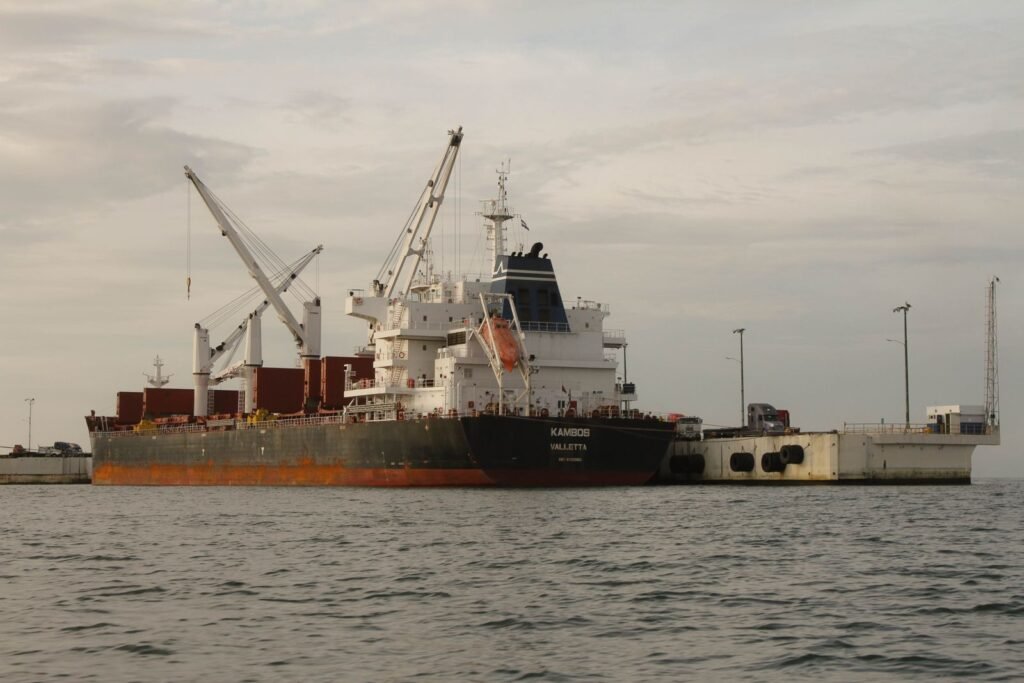
Turkey and Italy sit on opposite sides of the Mediterranean and trade heavily with each other. One shipping guide describes Italy as Turkey’s fourth-largest trade partner, and cargo flows both ways: industrial goods, metals, minerals, agricultural products, machinery and building materials. If you are moving large volumes, such as grain, ore, steel products, aggregates, fertiliser or other loose or heavy goods, you will probably need a freight forwarder who understands bulk and break-bulk logistics.
This guide explains how freight forwarding works on the Turkey–Italy lane, which transport modes suit bulk cargo, which ports matter, which documents you need and how to choose a forwarder. It is a planning guide, not a quotation, and rates, transit times and rules change often. Always confirm details with your forwarder and the relevant customs authorities.
What Does a Freight Forwarder Do?
A freight forwarder arranges the movement of goods on your behalf. They rarely own the ships or trucks. Instead, they book space with carriers, prepare paperwork, coordinate inland transport and customs clearance, and keep you updated. For bulk cargo, a good forwarder may also help with:
- Chartering vessels or booking parcels on bulk or multi-purpose ships
- Arranging loading and discharge at the right terminals
- Coordinating surveyors, weighing and quality inspection
- Cargo insurance
- Customs documents and duties
- Door-to-door delivery by truck or rail
What Counts as “Bulk Cargo”?
The term covers different cargo types, and the right solution depends on which you are shipping.
- Dry bulk: unpackaged loose commodities such as grain, cement, coal, ores, sand and fertiliser. They are loaded by grabs, conveyors or pneumatic systems into ship holds.
- Liquid bulk: oils, chemicals or liquids carried in tankers or tank containers. These have special safety rules.
- Break-bulk: items too large or irregular for standard containers, such as steel coils, pipes, timber and machinery, shipped as separate pieces.
- Project and heavy-lift cargo: very large or heavy units that need special cranes and planning. Some freight platforms advertise bulk, break-bulk, out-of-gauge and heavy-lift services for shipments to and from Turkey.
- Containerised bulk: some bulk goods are packed in bags or liners inside containers, which can simplify handling for smaller volumes.
Transport Options Between Turkey and Italy
1. Sea freight
Sea freight is generally the cheapest option for large, heavy volumes and is the usual choice for true bulk cargo. A shipping guide says ocean freight is recommended for transporting large amounts of heavy goods, and that Turkey-to-Italy ocean freight usually takes two to three weeks, depending on routing and whether you ship container loads. The same guide notes that full container load (FCL) and less-than-container-load (LCL) options exist. Dedicated bulk carriers can be faster door to door on direct routings, but schedules depend on vessel availability and port congestion. One route-planning tool listed a quick container service from Aliağa in Turkey to Salerno in Italy of about a day and a half, leaving several times a week, which shows that short-sea services can be much faster than the general guideline. Use such tools as rough indicators, not guarantees.
2. Ro-ro and short-sea services
Roll-on/roll-off ferries and short-sea shipping carry trailers and vehicles across the Mediterranean and Adriatic. They suit palletised or packaged loads that do not need a bulk vessel, and they can combine sea and road legs efficiently. Ask your forwarder which lines operate to your chosen Italian port.
3. Rail freight
Turkey has rail links to Europe. One guide says rail from Turkey to Italy is only slightly more expensive than sea freight and more environmentally friendly, with transit times of around 10 to 15 days. Rail suits steady, high-volume flows of suitable commodities, but terminal and wagon availability are important constraints.
4. Road freight
Trucking offers flexibility and door-to-door service. Route-planning tools estimate road transit at around a day and a few hours on paper, but real journeys involve border crossings, ferries or long overland routes and driver-hour rules, so allow considerably more time. Trucks are best for smaller bulk parcels, urgent shipments or final delivery from the port.
5. Air freight
Air freight is rarely used for true bulk cargo because of cost, though it can make sense for urgent high-value items or samples. Daily flights between the two countries are listed on planning tools, but air is not economical for heavy commodities.
Key Ports on the Turkey–Italy Lane
Port choice affects cost, speed and inland transport. Guides commonly mention:
- Turkish ports: Mersin and Istanbul’s Haydarpaşa are named in one guide, while Aliağa in İzmir is described as a major industrial and container hub. Other Turkish ports, including those around the Marmara region, also handle bulk and general cargo.
- Italian ports: Genoa, Trieste and Gioia Tauro are named in one guide as major cargo ports. La Spezia, Salerno and others handle containers, ro-ro and bulk. Different ports specialise in different cargoes, so ask whether your commodity has a suitable terminal.
For bulk, port facilities matter: grab cranes, silos, covered storage, draft limits and environmental rules differ by terminal. Your forwarder should check that the vessel can berth and discharge your specific commodity there.
Documents You Will Typically Need
Exact requirements depend on the goods and your customs status. Common documents include:
- Commercial invoice showing value, parties, product description and Incoterms
- Packing list or cargo declaration
- Bill of lading (sea) or CMR/rail consignment note (road/rail)
- Certificate of origin where needed for duty treatment
- Customs declarations in both countries
- Phytosanitary, veterinary or quality certificates for agricultural or regulated goods
- Safety data sheets and dangerous-goods paperwork for hazardous cargo
- Insurance certificate
Turkey has a customs union with the European Union covering industrial goods, which affects the paperwork and duties for many products, but agricultural goods, steel products and other sensitive categories can face different rules. Ask your forwarder or customs broker which movement certificates and duties apply to your commodity, and verify against official customs guidance.
Understanding Incoterms
Incoterms define who pays for and takes risk for each stage of the journey. Common ones in bulk trade include FOB (free on board), CFR (cost and freight) and CIF (cost, insurance and freight). Choose carefully. If you sell on FOB terms, your buyer arranges the main carriage, whereas CIF makes you responsible for freight and insurance to the destination port. Agree on the term in the contract, and make sure your forwarder knows it.
What Affects the Cost?
- Cargo type and volume: whole-vessel charters differ from parcels or containers.
- Seasonality and market conditions: freight rates for bulk vessels fluctuate with global demand.
- Port charges and handling: loading, discharging, storage and agency fees.
- Distance and routing: direct sailings are generally cheaper than transhipment.
- Fuel and surcharges.
- Customs duties, taxes and brokerage fees.
- Demurrage and detention: delays at ports can generate significant charges.
- Insurance.
- Inland transport at both ends.
Because market rates move quickly, I have not listed specific prices. Ask for itemised quotes with validity dates, and compare what is included.
How to Find Freight Forwarders for Turkey–Italy Bulk Cargo
- Online directories and quote platforms. Several sites list forwarders in both countries, including companies in Istanbul and Italian cities such as Milan. Treat these lists as a starting point, not an endorsement.
- Trade associations. National forwarder associations and chambers of commerce may maintain member lists.
- Industry networks and referrals. Ask other exporters and importers in your sector for recommendations.
- Global networks and carriers. Large logistics firms offer end-to-end services, and some focus on project and bulk cargo.
- Local specialists. For particular commodities, a smaller forwarder with strong port relationships can outperform a generalist.
Checklist for Choosing a Forwarder
- Experience with your cargo. Ask for examples of similar shipments and the ports they used.
- Licences and memberships. Verify business registration, customs broker status where relevant and membership of recognised industry bodies.
- Network on both ends. Reliable agents in Turkish and Italian ports reduce problems.
- Transparent quotes. Insist on itemised pricing, including port fees and possible surcharges.
- Insurance and liability. Understand the carrier’s liability limits and whether cargo insurance is included or separate.
- Communication. Check responsiveness, named contacts and tracking updates.
- Financial stability and references. Ask for customer references and consider a credit check for large contracts.
- Payment terms. Be wary of requests for full payment in advance with no documentation.
- Problem handling. Ask how they deal with delays, damage, demurrage and claims.
- Compliance culture. Sanctions screening, correct declarations and safety standards matter.
Red Flags
- A price far below every other quote with no explanation
- Pressure to wire money to a personal account
- No physical office or verifiable company details
- Vague answers about who the actual carrier is
- Reluctance to put terms in writing
Step-by-Step: A Typical Bulk Shipment
- Define cargo, quantity, packaging, loading window and delivery point.
- Request quotes from at least three forwarders.
- Agree on Incoterms and insurance.
- Confirm port, terminal and vessel suitability.
- Prepare documents and customs declarations.
- Arrange inland transport to the loading port.
- Load, weigh or survey the cargo and receive the bill of lading.
- Track the vessel and notify the consignee.
- Clear customs at the Italian port and pay duties and taxes.
- Discharge, inspect and deliver the cargo, then reconcile the invoice with the quote.
Tips to Avoid Delays and Extra Costs
- Check documents for typos, since mismatched names or quantities can hold up clearance.
- Book early during peak seasons, such as harvest periods for grain.
- Ask about free time at the port and plan for it.
- Take photographs and survey reports at loading to help with claims.
- Insure the cargo for its full value plus expected profit if appropriate.
- Monitor geopolitical and weather events that affect Mediterranean shipping.
Frequently Asked Questions
What is the cheapest way to ship bulk cargo from Turkey to Italy?
Sea freight is generally the most economical for large volumes of heavy goods, although rail or short-sea options may suit some cargoes.
How long does it take?
One guide gives two to three weeks for ocean freight, and rail around 10 to 15 days, but direct short-sea services can be shorter and bulk charters depend on vessel schedules. Ask your forwarder for a route-specific estimate.
Do I need a customs broker?
Many forwarders provide customs brokerage or work with a licensed broker. You usually need someone authorised to file declarations in each country.
Can I ship less than a full vessel?
Yes. Smaller parcels can move in containers, on multi-purpose ships or by ro-ro, rail or road, depending on the cargo.
Is cargo insurance necessary?
It is not legally required in every case, but carrier liability is usually limited, so insurance is strongly advisable for valuable or sensitive cargo.
Final Thoughts
Moving bulk cargo between Turkey and Italy is a well-established trade lane with several workable options. The best solution depends on your commodity, volume, timeline and budget. Start by defining the cargo clearly, compare itemised quotes from experienced forwarders, verify their credentials and make sure every document and term is agreed before the cargo moves.
Disclaimer: This article is general information and not logistics, legal, customs or financial advice. Transit times, routes and requirements come from public sources, change frequently and may not apply to your shipment. Confirm details with qualified professionals and official authorities.

Lois Snyder is a versatile writer with experience across multiple domains. She crafts engaging and informative content, delivering valuable insights and captivating readers with her expertise and passion for diverse topics.