
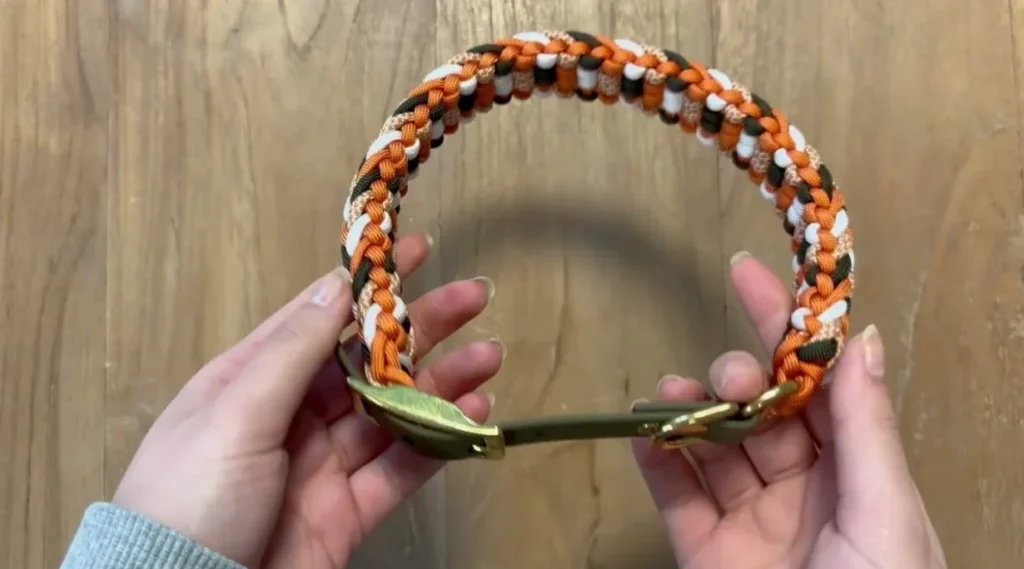
Making paracord bracelets has become a popular hobby for people who enjoy creative handcrafts and practical accessories. Originally designed for military parachute suspension lines, paracord is now widely used for decorative projects, outdoor gear, and survival tools. Bracelets made from paracord combine functionality with personal style, making them suitable for everyday wear, camping, hiking, or gifting.
Paracord bracelets are available in many colours, patterns, and weaving styles. The crafting process is accessible for beginners, while experienced makers often experiment with advanced paracord knots and unique designs. With only a few materials and simple techniques, a durable and attractive bracelet can be created at home.
Choosing suitable materials
The quality of the materials plays an important role in the final result. Most bracelets are made with Type III 550 paracord, a strong nylon cord known for its flexibility and durability. This type of cord is lightweight and resistant to wear, making it ideal for bracelets that are used regularly.
Plastic side-release buckles are commonly used because they are easy to fasten and available in different sizes and colours. Some makers prefer metal shackles or decorative clasps for a more rugged appearance. Sharp scissors and a lighter are also essential tools, as the ends of the cord must be sealed to prevent fraying.
A wide range of colours and patterns allows makers to create bracelets that match outdoor gear, clothing, or personal preferences. Many hobbyists purchase cord in bulk from specialised suppliers such as 123paracord.co.uk because of the large selection and practical crafting accessories.
Popular bracelet weaving styles
Several weaving methods are commonly used in paracord bracelet making. The cobra weave is one of the most recognised styles and is often recommended for beginners. This design creates a flat and sturdy bracelet that is comfortable to wear and relatively simple to complete.
The king cobra weave is a thicker variation that uses more cord and provides a heavier appearance. Other popular styles include the fishtail weave, trilobite weave, and snake knot bracelet. Each pattern produces a different texture and level of flexibility.
Advanced makers sometimes combine multiple colours within a single bracelet to create spiral effects, camouflage patterns, or contrasting edges. Decorative beads and charms can also be added for a more personalised finish.
Measuring and preparing the bracelet
Accurate measurement is important before starting the weaving process. The wrist size determines the required length of the bracelet and the amount of paracord needed. In general, larger and more complex weaves require significantly more cord than simpler designs.
After measuring the wrist, the buckle is attached and the core strands are secured tightly. Maintaining even tension during weaving helps create a symmetrical bracelet with a professional appearance. Uneven knots may cause twisting or loose sections that reduce comfort and durability.
Once the weaving is completed, the loose cord ends are trimmed carefully and melted with a lighter. This step secures the bracelet and prevents the nylon fibres from separating over time.
Why paracord bracelets remain popular
Paracord bracelets continue to attract attention because they combine creativity with practicality. Many outdoor enthusiasts appreciate that the bracelet can be unravelled in emergency situations to provide several metres of strong cord. The material can assist with temporary repairs, securing equipment, or building simple shelters.
At the same time, bracelet making is also valued as a relaxing hobby. The repetitive knotting process encourages concentration and patience, while the finished result offers a sense of achievement. Because there are endless colour combinations and weaving patterns available, no two bracelets need to look exactly alike.
A creative craft with practical value
Making paracord bracelets remains an accessible and rewarding activity for both beginners and experienced hobbyists. The combination of durable materials, creative weaving techniques, and functional use has helped maintain the popularity of these bracelets for many years. With basic tools and some practice, simple lengths of cord can be transformed into personalised accessories that are both decorative and useful in everyday situations.

Lois Snyder is a versatile writer with experience across multiple domains. She crafts engaging and informative content, delivering valuable insights and captivating readers with her expertise and passion for diverse topics.
Wish you happiness
Every day is a new beginning
Hahahaha You are so good
Good a blog toper
Really enjoyed the daily rewards and the way they treat their loyal players. It makes the whole experience more rewarding. Go check jl588slot right now!
Haave you ever tholught about writging aan e-book oor guest authorinng onn otherr blogs?
I hve a blog based oon tthe samje infoemation you discuss aand
woulld loive too have youu share som stories/information. I know myy viewwers would appreciate yopur work.
If you’re evn remnotely interested, feel free tto sed mee ann email.
xnxx
I started as a casual player but the daily promotions made me stick around for good. They actually give back to the community instead of just focusing on quick wins. My payouts always land in the same day and I feel completely safe depositing money here. mmibet288
Really impressed with the fast payouts and the game variety. It feels very reliable and fair. Highly recommend nohu188live to everyone.
I have tried quite a few gambling platforms over the years and this one stands out for its straightforward interface and genuine transparency. Every game runs smoothly and the fair play certificates give me total peace of mind. The mobile version is surprisingly well optimized too. Looking forward to exploring more of the catalog. jai365login
Best mobile experience so far. The graphics are top notch and ggjiliapp runs perfectly on my phone.