Introduction
Foam is one of the most adaptable materials used across modern industries—from construction and automotive to medical, packaging, and marine applications. But raw foam alone cannot deliver the performance, shape, protection, or acoustic control required for specialised tasks. This is where foam conversion comes in.
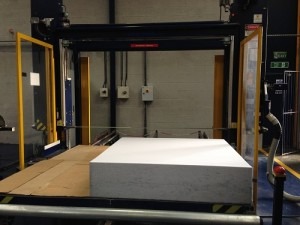
Foam conversion, also known as foam converter processing, is the art and science of transforming standard foam materials into custom-engineered solutions. Through precise cutting, shaping, laminating, moulding, and profiling, foam evolves from a basic sheet into a technical, application-ready product.
Below is a detailed look at how foam conversion works, what processes it involves, and why industries depend on foam converters to create bespoke products that solve complex challenges.
1. Understanding Foam Conversion: What Does It Mean?
Foam conversion refers to the process of modifying foam materials into custom shapes, sizes, or components based on a specific application. Instead of relying on off-the-shelf foam, industries require tailored solutions that offer improved performance—whether that means better sound absorption, enhanced comfort, increased thermal insulation, or precise protective packaging.
A professional foam converter uses specialised equipment to shape and fabricate foam so it becomes a technical product rather than a simple block. This can involve anything from thinning a foam sheet to a few millimetres to creating intricate 3D profiles using CNC technology.
Foam is available in several varieties, each offering unique properties:
Common Foam Types Used in Conversion
- Polyurethane foam – flexible and widely used in cushions, seating, and acoustic applications.
- Polystyrene foam – extremely lightweight and ideal for insulation and packaging.
- Polyethylene foam – durable, moisture-resistant, and commonly used for protective packaging and padding.
Different industries rely on different foam materials, and conversion enables the creation of products that precisely match the required durability, density, performance, and shape.
2. Professional Foam Conversion Processes: Turning Ideas Into Practical Solutions
To convert foam effectively, specialised machines and processes are required. Companies like Acoustafoam utilise advanced technology to deliver highly accurate and repeatable results.
Here are the main foam conversion processes used today:
• Band Saw Cutting
Band saws slice foam blocks or sheets into the required shapes and thicknesses. This is ideal for creating uniform panels or components.
• Profiled Slitting
Profile slitters shape the foam with patterns and contours, helping create acoustic foam profiles such as wedges, pyramids, and egg-crate designs.
• CNC Profiling
CNC (Computer Numerical Control) machines allow extremely precise foam shaping. Intricate curves, slots, and bespoke 3D designs are produced with exceptional accuracy—perfect for technical applications.
• Slitting and Trimming
Slitters help reduce foam thickness while maintaining tight tolerances, ensuring the final product meets exact specifications.
• Laminating
Laminators bond foam layers to increase strength, enhance insulation, or combine foam with other materials like fabric or rubber.
• Water Jet Cutting
Water jets cut foam using high-pressure water streams, allowing clean edges and complex shapes without burning or damaging the material.
• Spray Booth Applications
Foam components can be coated or treated for additional durability, fire resistance, or specific performance characteristics.
• Die Cutting
Die presses punch out large quantities of identical foam pieces, making them ideal for mass-production packaging, gaskets, or medical components.
These processes allow foam converters to produce everything from custom acoustic panels to technical insulation products designed for the automotive and marine sectors.
3. Where Foam Conversion Is Used: Applications Across Industries
Foam conversion plays a vital role in delivering practical solutions to countless industries. By modifying foam into custom shapes and densities, foam converters help solve problems where standard materials fall short.
Popular Applications of Foam Conversion
1. Custom Packaging
Converted foam protects fragile equipment, electronics, and delicate products during transport. Water jet cutting and die cutting ensure a perfect fit for every item.
2. Seating and Cushioning
Automotive seats, office chairs, and specialised medical cushions all rely on precision-cut foam for comfort and support.
3. Acoustic & Soundproofing Products
Profiled and CNC-cut foam panels help manage echo, reduce noise, and improve room acoustics. This includes:
- Recording studios
- Home theatres
- Offices
- Public spaces and commercial buildings
Acoustic foam shapes such as wedges and pyramids increase the foam’s surface area, improving mid- to high-frequency sound absorption.
4. Thermal & Sound Insulation
Foam converters also produce insulation materials used in construction, machinery, and HVAC systems. For example, thermal insulation in a yacht engine room or sound absorption panels around machinery in construction vehicles.
5. Medical & Healthcare Products
From orthopaedic supports to therapy cushions, foam conversion makes it possible to create safe, ergonomic medical products.
6. Automotive Components
Foam converters manufacture armrests, headrests, dashboard insulations, padding, and interior finishes.
Because every application requires different foam densities, sizes, and performance characteristics, foam conversion ensures every product is built to match the purpose perfectly.
4. Benefits of Foam Conversion: Why Industries Depend on It
Foam conversion offers several advantages that make it an essential process in modern manufacturing.
Key Benefits
✔ Highly Customisable
Foam can be shaped into virtually any design—simple or complex.
✔ Improved Performance
Converted foam provides better durability, sound absorption, cushioning, or insulation.
✔ Greater Precision
Advanced machines like CNC routers and water jets guarantee accuracy down to the millimetre.
✔ Multi-Industry Use
From packaging and construction to healthcare and automotive, foam conversion meets the needs of countless sectors.
✔ Eco-Friendly Options
Recycled or sustainable foam choices allow businesses to reduce environmental impact.
✔ Efficient Mass Production
Die cutting and automated systems make large-scale production fast, consistent, and cost-effective.
✔ Tailored Solutions
A professional foam converter creates solutions that off-the-shelf products can’t achieve, especially for acoustic or technical requirements.
Foam conversion transforms a standard foam block into a high-value, high-performance product designed for specific needs.
5. Foam Conversion & Acoustic Foam: Enhancing Sound Control
One of the most popular reasons companies seek foam conversion is for sound absorption. Acoustic foam, made from polyurethane or melamine foam, undergoes specialised shaping to increase surface area and reduce sound reflections.
How Acoustic Foam Works
- Absorbs mid- and high-frequency noise
- Minimises echoes and reverberation
- Improves clarity in rooms and workspaces
- Enhances audio performance
Although acoustic foam improves internal sound control, it is important to note that it is not a complete soundproofing solution. True soundproofing requires additional materials such as mass-loaded vinyl, drywall layers, or resilient channels.
Through foam conversion profiling techniques, acoustic foam becomes more efficient at absorbing sound waves and managing noise within a space.
Conclusion
Foam conversion plays an essential role in countless industries, providing tailored products that cannot be achieved through standard foam alone. Whether it’s acoustic treatment, custom packaging, seating comfort, thermal insulation, or medical components, foam converters turn ideas into practical, high-performance solutions.
With advanced technologies such as CNC profiling, water jet cutting, laminating, and die-cut pressing, foam can be engineered to meet exact specifications. This ensures better performance, longer lifespan, and greater precision—making foam conversion a vital part of modern manufacturing.
If your business needs custom foam solutions, partnering with a professional foam converter ensures that every component is designed and produced with accuracy, efficiency, and technical expertise.