
You’ve probably seen them in movies. Someone sweating under the bright light, fingers tapping nervously as the examiner watches every twitch. The “lie detector” test. But let’s be honest—what’s the truth behind a polygraph test? How much can it really tell us about what someone is hiding—or not?
I’ve spent time around law enforcement professionals, talked to private investigators, and even sat in on a couple of polygraph sessions. What I’ve learned is a lot more nuanced than the Hollywood version. And if you’re curious about what actually happens when someone lies—or thinks about lying—this is the place to get a real picture.
The Basics: How a Polygraph Works
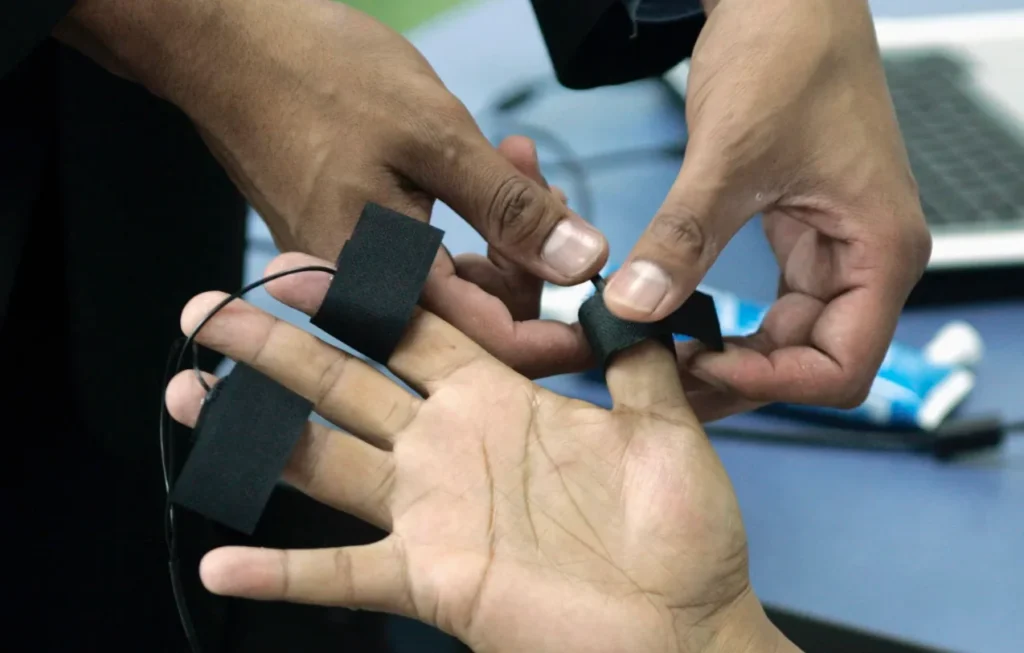
At its core, a polygraph is pretty simple. It measures physiological responses: heart rate, blood pressure, respiration, and skin conductivity. Those little numbers and squiggles supposedly reveal when your body reacts differently to a lie than to the truth.
But here’s the catch: your body doesn’t react to lies alone. Stress, fear, guilt—even just being in a strange room with someone staring at you—can make those readings spike. I remember talking to a guy who flunked a polygraph even though he was innocent. He told me, “I just hate being watched—I sweat like a waterfall whenever someone looks at me funny.” That’s exactly the kind of nuance polygraphs can’t fully capture.
Most people think it’s about catching liars. But really, it’s more about detecting stress and unusual reactions. The examiner then interprets those reactions. Which means the person reading the charts has a huge impact on the result. One examiner might see deception; another might see nervousness.
Walking Into the Room
The polygraph test experience itself is something you won’t forget. If you’ve ever felt nervous before a doctor’s appointment or a job interview, multiply that by ten. There’s this mix of curiosity and pressure hanging in the air.
You’re usually asked to sit in a chair, with sensors strapped around your chest, fingers, and sometimes your arm. They explain that they’ll ask control questions first—basic stuff like “Is your name John?”—to get a baseline for your normal reactions. Then come the relevant questions, the ones that matter.
I sat in on a session once where the candidate had nothing to hide but still looked like he’d run a marathon by the end. It’s fascinating how the human body responds to the stress of evaluation alone. Even the most calm, collected people can show spikes in heart rate or skin conductivity just because they’re anxious about being judged.
The Science (and the Gray Area)
Here’s the thing: the science behind polygraphs is messy. Studies show accuracy rates anywhere from 70% to 90%. That sounds good until you realize that means a significant number of false positives—or false negatives—can happen.
Imagine this scenario: a company uses a polygraph during a pre-employment screening. A candidate is nervous because it’s a high-stakes job, not because he’s lying. The examiner reads a spike in his blood pressure and concludes deception. That’s a perfectly plausible outcome, and unfortunately, it happens more often than most people realize.
Polygraphs can be more reliable in specific contexts, like criminal investigations where the person knows they’re under scrutiny and the questions are very specific. But throw in vague or hypothetical questions, and the accuracy drops dramatically. The human element—the examiner’s judgment—is always in play.
Why People Still Take Polygraphs
Despite all the controversy, polygraphs aren’t going away. Why? Because they’re useful in subtle ways. They can act as a deterrent. Someone might confess simply because the test is intimidating, even if it can’t technically “read minds.”
Take law enforcement. Detectives sometimes use polygraphs not to prove guilt outright but to encourage honesty. They’ll tell a suspect, “We’re going to do a polygraph,” and suddenly, confessions happen. The test becomes more of a psychological tool than a scientific lie detector.
In corporate settings, polygraphs are rare but still exist in certain high-security industries. They’re often part of background checks or internal investigations. The value here isn’t perfect accuracy—it’s about getting people to think twice before hiding critical information.
Can You Trick a Polygraph?
Now, let’s address the million-dollar question: can you cheat a polygraph? The short answer: maybe. The long answer: it’s complicated.
People have tried everything from controlled breathing to biting their tongue to throwing their body into unusual tension. These tactics can sometimes change readings, but examiners are trained to spot countermeasures. Plus, trying to “game” the test adds its own stress, which often backfires. I once heard about a guy who tried to rock back and forth subtly during a session to mask his reactions. He ended up triggering more unusual spikes than if he’d done nothing at all.
Here’s the reality: polygraphs aren’t perfect truth machines, and thinking you can completely fool one is risky. They rely on psychological cues, not X-ray vision.
Reading Between the Lines
If you’re talking about polygraphs with friends or coworkers, it’s tempting to reduce them to “true or false.” But the smarter take is to read them as part of a larger picture. A single test shouldn’t be the deciding factor in a major investigation or hiring decision.
Context is everything. Who’s asking the questions? How are they phrased? What’s the environment like? Even mood swings, caffeine intake, or a lack of sleep can influence results. It’s a reminder that humans are messy, unpredictable creatures, and technology—at least right now—can’t fully correct for that.
Let’s say someone is being polygraphed about a missing company laptop. The machine might detect stress, but it can’t tell you if it’s stress from guilt, fear of getting in trouble, or just the anxiety of being watched. Only careful follow-up questioning and context will reveal the truth.
The Human Factor
Honestly, the human factor is the most interesting part of polygraphs. Examiners develop a sort of intuition over time. They learn to spot nervous ticks, over-preparation, or hesitation. In a way, the polygraph is just a tool; the examiner is the real detective.
I remember talking to a retired polygraph examiner who said, “I’ve seen guilty people pass and innocent people fail. The machine shows reactions, but it’s my job to figure out what those reactions mean.” That stuck with me because it’s so human. It’s less about science alone and more about understanding behavior, psychology, and context.
When Polygraphs Matter—and When They Don’t
There are times when a polygraph can be a helpful part of an investigation. High-security jobs, criminal cases, or internal theft investigations are scenarios where it can guide decisions. It’s not foolproof, but it can provide insight that prompts further investigation.
But in everyday life, like dating, workplace squabbles, or casual disputes? Probably not. The stakes aren’t high enough, and the results can be misleading. You’d be better off just talking to the person openly—or observing patterns over time. The polygraph can’t replace judgment, communication, or intuition.
My Take
If you ask me, polygraphs are fascinating, flawed, and sometimes useful tools. They’re a little like reading tea leaves: the machine gives signals, the human interprets them, and sometimes the truth emerges—but not always neatly.
Here’s the thing: they say a polygraph can’t lie. But people can—and do—misinterpret the results all the time. The real story is in the context, the questions, the examiner, and the reactions that don’t fit neatly on a chart.
If you ever face one, try to stay calm, focus on breathing, and remember that it’s just one part of a bigger picture. The test doesn’t define your honesty—it just measures your body’s responses to pressure. That’s a big distinction, and one worth keeping in mind.
Closing Thoughts
Polygraphs capture our imagination because they promise to uncover hidden truths. In reality, they reveal stress, anxiety, and human behavior more than absolute honesty. They’re tools, not verdicts.
Next time you hear someone dismiss a polygraph as “just a lie detector,” remember that it’s more complicated than that. It’s part science, part psychology, and all human interpretation. And that’s what makes it endlessly interesting to anyone curious about how we show—and hide—what we really feel.
In the end, honesty isn’t something a machine can enforce. It’s something we navigate every day, in small moments and big decisions alike. The polygraph is just a mirror reflecting our stress back at us. How we respond—that’s the real test.

Lois Snyder is a versatile writer with experience across multiple domains. She crafts engaging and informative content, delivering valuable insights and captivating readers with her expertise and passion for diverse topics.