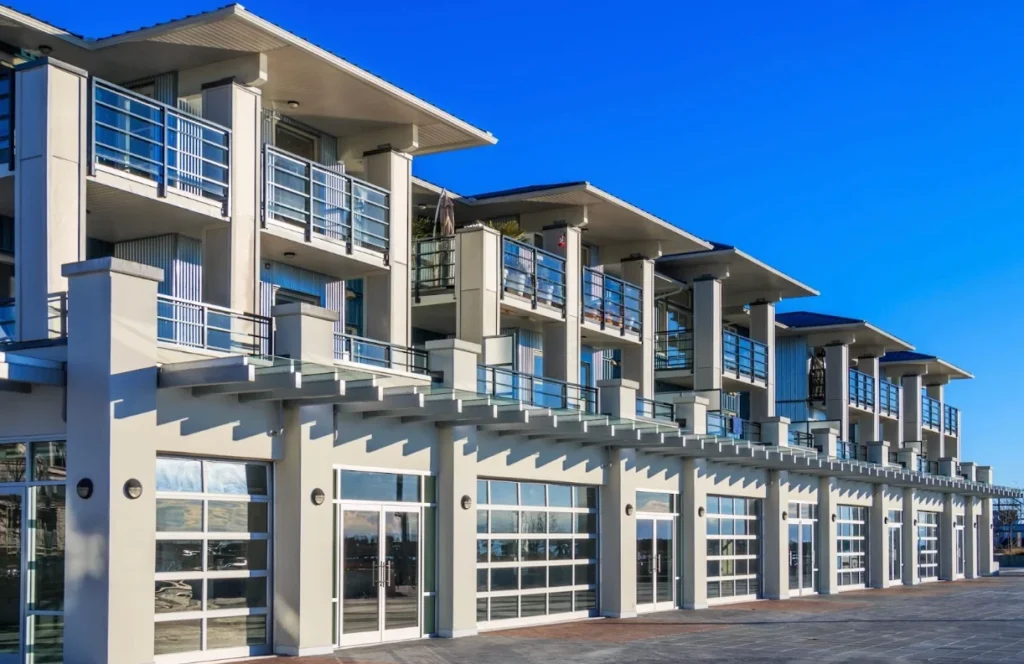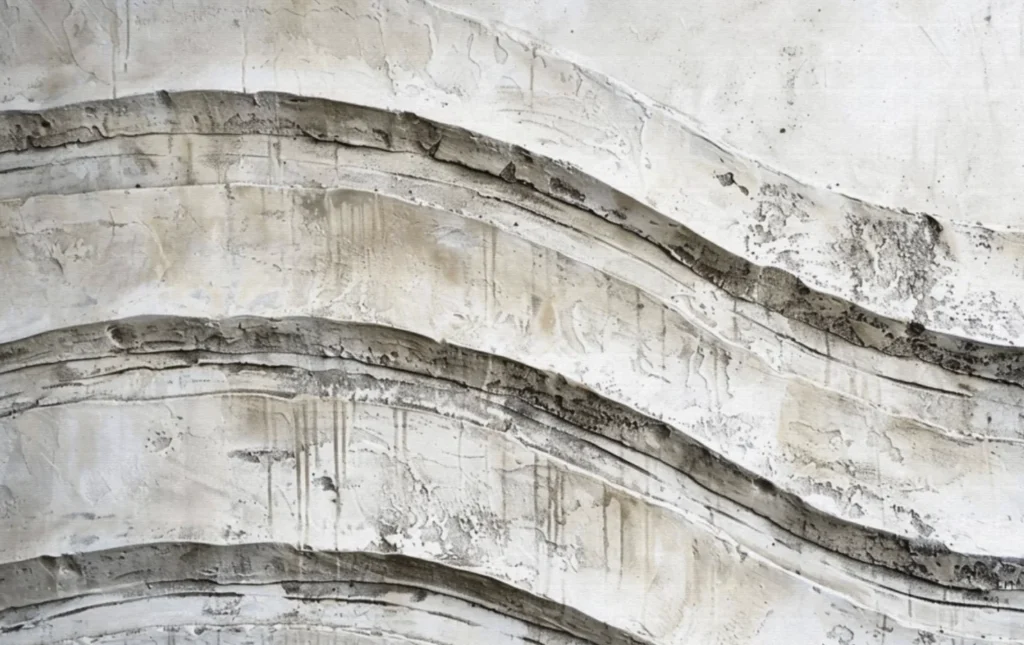
Natural stone surface patterns play a key role in defining the aesthetic character of modern architecture. Linear and directional patterns create a clean, fluid, and sophisticated look, especially in contemporary designs. The right cutting technique and stone selection ensure both visual appeal and long-term durability in interior and exterior applications.
In modern architecture, material selection is no longer limited to technical criteria such as durability or cost. Today, designers and architects place far greater emphasis on surface textures and the aesthetic richness offered by natural materials, as these directly shape the character of a space. In this context, natural stones stand out with their unique patterns. In particular, surfaces produced with directional cutting techniques such as vein cut travertine create both visual continuity and a natural sense of flow in contemporary projects.
Natural stone surfaces give each project a distinctive identity. Since no two stones are exactly the same, they offer a non-repeatable aesthetic that is especially valuable in premium projects and prestigious living spaces. Today, the use of natural stone surface patterns is rapidly increasing in both interior and exterior applications.
What Are Natural Stone Surface Patterns and Why Do They Matter?
Natural stone surface patterns are formed through mineral deposits, layering, and natural movements during the stone’s formation process. These patterns define the character of the stone and add a unique touch to every project. For this reason, natural stone is a far more valuable and aesthetically powerful alternative compared to mass-produced materials.
From an architectural perspective, surface patterns directly influence spatial perception. Flat and simple surfaces create a minimal effect, while dynamic and directional patterns add movement and depth. Therefore, selecting the right pattern plays a critical role in the overall design language of a project.
The Visual Impact of Surface Patterns in Architectural Design
Surface patterns are among the most important elements that define the first impression of a space. Natural stones used on large surfaces can completely transform the atmosphere. Linear patterns offer a more structured and modern look, while wavy and organic patterns create a warmer and more natural ambiance.
At this point, architects evaluate multiple factors such as lighting, spatial dimensions, and function when selecting the appropriate surface pattern. A well-chosen natural stone surface can significantly increase the perceived value of a space.
The Rise of Natural Stone in Modern Architecture
In recent years, the growing interest in natural materials has led to a significant increase in the use of natural stone. The widespread adoption of sustainable architecture has played a major role in bringing natural stone back into focus.
Natural stones are frequently preferred in modern projects due to their durability and eco-friendly nature. At the same time, the aesthetic diversity they offer enhances creative freedom for designers.
The Role of Cutting Direction in the Aesthetics of Natural Stone
Not only the stone itself but also how it is cut directly affects the resulting aesthetic. Cutting parallel or perpendicular to the stone’s vein structure creates entirely different surface patterns. This is especially evident in layered stones such as travertine.
The cutting direction can produce either linear or cloud-like patterns. Linear cuts are widely preferred in modern architecture because they give spaces a structured and fluid character. This technique creates a sense of continuity across large surfaces, resulting in a more cohesive design.
The Contribution of Linear and Flowing Patterns to Spatial Perception
Linear patterns establish a sense of direction within a space. In long corridors, large living areas, or open-plan layouts, these patterns make spaces appear larger and more organized. They also guide the eye naturally across the surface, creating a continuous flow.
Flowing patterns, on the other hand, provide a more organic appearance. These patterns add warmth and naturalness to a space. Particularly in living environments, they enhance user experience and comfort.
The Use of Natural Stone Surfaces in Interior Design

In interior design, natural stone contributes both aesthetically and functionally. It is widely used in flooring, wall panels, kitchen countertops, and bathrooms.
The durability of natural stone ensures long-lasting performance. Additionally, it brings a luxurious and prestigious look to interiors, making it indispensable for high-end projects.
The Contribution of Natural Stone Patterns to Exterior Architecture
In exterior applications, natural stone directly defines the character of a building. A well-selected stone surface strengthens architectural identity and maintains its aesthetic appeal over time.
Moreover, natural stones offer high resistance to environmental factors, reducing maintenance costs and providing a cost-effective long-term solution.
Technical Criteria to Consider When Choosing Natural Stone
When selecting natural stone, not only aesthetics but also technical properties must be considered. Factors such as density, water absorption rate, durability, and surface finishing techniques are crucial.
Choosing a stone with the right technical characteristics ensures long-term performance. Therefore, architects and contractors should conduct a detailed evaluation during the selection process.
How to Choose the Right Stone Pattern for a Project?
Every project is shaped by its own design language and requirements. Therefore, the stone pattern should be selected specifically for each project.
Factors such as the intended use of the space, natural lighting, dimensions, and overall design concept are decisive in this process. The right pattern selection directly impacts the success of the project.
Creating Timeless and Prestigious Spaces with Natural Stone
Natural stone is a timeless material. It does not lose its aesthetic value over time, making it a major advantage for long-term projects.
It also adds prestige to a space, making it an ideal choice for luxury residences, hotels, and commercial buildings.
Current Architectural Trends and the Use of Natural Stone
Today’s architectural trends are centered around naturalness and simplicity. As a result, natural stone plays a significant role in modern projects.
When combined with a minimalist design approach, natural stone surfaces offer both aesthetic and functional solutions.
The Role of Natural Stone in Sustainable Architecture
Sustainability is one of the most important aspects of modern architecture. Natural stones contribute to this approach due to their eco-friendly nature.
Their long lifespan and recyclability make them a preferred material in sustainable projects. In addition, their production processes generally result in a lower carbon footprint compared to many alternative building materials, which makes them stand out in environmentally conscious developments. In many contemporary applications, finishes such as travertine vein cut are also preferred for their ability to combine natural aesthetics with long-term performance. Since they are naturally formed, they do not contain harmful chemicals and therefore support healthier living environments. In this sense, natural stones provide a strong solution in terms of both aesthetics and environmental sustainability.
The Power of Naturalness in Design
The use of natural stone in modern architecture is not just a trend but a lasting design approach. Properly selected stone surfaces add both aesthetic and functional value to projects. This also encourages more conscious material decisions in long-term developments and enhances the durability of built environments over time.
Surfaces achieved through appropriate cutting techniques create a strong visual impact in architectural projects and give designs a distinctive character. The directional movement and natural flow on the surface directly influence spatial perception, resulting in a more refined atmosphere. For this reason, natural stone selection should be considered one of the most critical stages of architectural design and a key factor determining overall project success.

Lois Snyder is a versatile writer with experience across multiple domains. She crafts engaging and informative content, delivering valuable insights and captivating readers with her expertise and passion for diverse topics.