
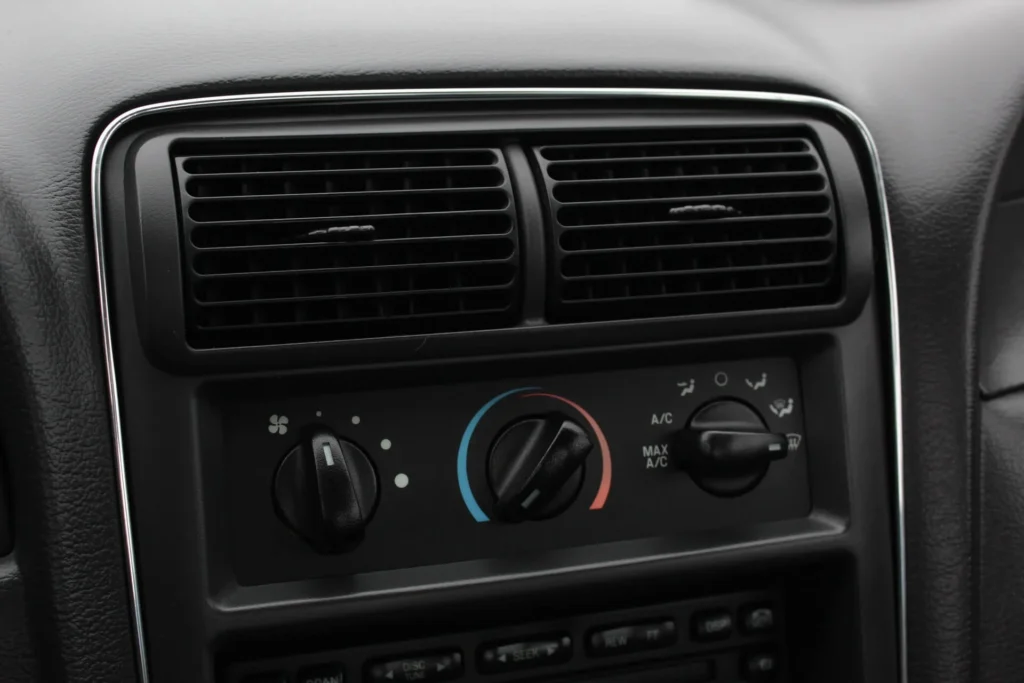
Summer heatwaves make one thing crystal clear: a functioning air conditioning system isn’t a luxury—it’s essential for comfortable and safe driving. But when your AC starts blowing warm air, the quote from your local garage can be sobering: £120-250 for a recharge service.
This leads many drivers to wonder: could I do this myself? DIY air conditioning recharge kits are widely available, often costing half what garages charge. But are they effective, safe, and genuinely worth the savings? This guide examines the economics, practicalities, and limitations of DIY AC recharging to help you make an informed decision.
How Car Air Conditioning Actually Works
Understanding the basics helps you determine whether DIY recharging makes sense for your situation.
Your car’s AC system is a sealed circuit containing refrigerant that cycles between liquid and gas states. The compressor pressurizes the refrigerant, which then flows through the condenser (located at the front of your car), where it releases heat and becomes liquid. This liquid passes through an expansion valve into the evaporator (inside your dashboard), where it rapidly evaporates, absorbing heat and cooling the air blown into your cabin.
Why does refrigerant decrease? Even in perfectly functioning systems, refrigerant slowly escapes through microscopic gaps in hoses and seals-typically 10-15% per year. This is normal wear and doesn’t necessarily indicate a leak. After 2-3 years, this gradual loss becomes noticeable as reduced cooling performance. Environmental factors like extreme temperature fluctuations and humidity can accelerate this natural depletion process.
The two refrigerant types: Older vehicles (pre-2017) use R134a refrigerant, while newer cars use R1234yf, which is more environmentally friendly but also more expensive. Knowing which type your vehicle uses is essential before purchasing any DIY kit. Check your owner’s manual or the label under the bonnet for this critical information.
What You Get at a Professional Garage
Understanding professional service helps you compare value properly. A complete garage AC service includes system pressure testing to identify leaks, vacuum evacuation to remove air and moisture from the system, precise refrigerant measurement using calibrated equipment, compressor oil replacement to ensure proper lubrication, UV dye addition for future leak detection, performance testing to verify proper cooling temperatures, and diagnostic scanning to check for electronic faults.
Cost: £120-250 depending on your location and refrigerant type (R1234yf services cost more).
When You MUST Use a Garage:
- Complete loss of cooling – suggests major leak or component failure requiring professional diagnosis
- Unusual noises from the compressor – indicates mechanical wear or imminent failure
- Visible oil residue around AC components – clear sign of refrigerant leakage
- Vehicle still under manufacturer warranty – DIY work may void your coverage
- Unsure which refrigerant your car uses – using the wrong type causes expensive damage
- Recent recharge that failed quickly – indicates a significant leak that needs proper repair
Professional service makes sense when you suspect actual problems rather than just normal refrigerant depletion. Garages also have specialized diagnostic equipment that can identify electronic sensor failures and control module issues that DIY methods cannot detect.
DIY Air Conditioning Recharge Kits Explained
Modern DIY kits have made AC maintenance surprisingly accessible for home mechanics. Quality kits typically contain refrigerant (R134a or R1234yf), compressor oil, leak sealant, pressure gauge and hose, and detailed instructions. Advanced options add UV dye for leak detection and sometimes a UV torch for inspecting the system.
Brands like Chemical Tiger range offer comprehensive solutions designed specifically for DIY users, with built-in safety features to prevent overcharging-the most common mistake beginners make.
Kit Types and Pricing
3-in-1 Basic Kit (£60-90): Contains refrigerant, oil, and sealant. Best suited for simple top-ups and situations where you’re experiencing gradual cooling loss over time.
4-in-1 Advanced Kit (£90-120): Includes everything in the basic kit plus UV dye for leak detection. Ideal for drivers who want to check for minor leaks while recharging their system.
Complete Kit (£120-180): Contains all the above components plus professional-grade hose with pressure gauge, quick-connect fittings, and often a UV torch. Perfect for first-time users and those maintaining multiple vehicles.
Single cans (refrigerant only) cost £25-40 but don’t include essential additives like compressor oil, making them false economy for most situations.
When Does DIY Make Financial Sense?
The economics depend heavily on your specific situation.
DIY is Worth It When:
- Your AC cools but less effectively than before – suggests normal refrigerant depletion rather than system failure
- It’s been 2-3 years since last service – normal timeframe for refrigerant loss
- No visible signs of leaks – no oily residue around AC components
- You have multiple vehicles – one kit can service several cars over time
- Your car is out of warranty – no risk of invalidating coverage
- You’re comfortable following technical instructions – the process requires attention to detail
Go to a Garage When:
- AC doesn’t work at all – indicates component failure, not just low refrigerant
- You suspect a leak – DIY kits mask symptoms temporarily but don’t fix underlying problems
- Strange noises from the compressor – suggests mechanical failure requiring professional diagnosis
- Vehicle under warranty – DIY service may void coverage
- Uncertain about refrigerant type – using wrong refrigerant damages the system
- Rapid refrigerant loss – if you recharged recently and it’s already weak, there’s a significant leak
The Real Savings Calculation
Scenario 1: Single top-up
- DIY kit cost: £90
- Garage cost: £150
- Saving: £60 plus convenience of doing it at home
Scenario 2: Multiple vehicles or regular maintenance
- One kit services 1-2 vehicles
- Over 3 years with 2 cars: saves approximately £300-400
- Kit pays for itself after first use
Scenario 3: Hidden leak
- DIY recharge: £90
- Works for 2 months, then fails again
- Garage diagnosis and repair: £250-400
- Total cost: £340-490 vs. £250-400 if you’d gone to garage first
The key is honest assessment: is this normal depletion or an actual problem? For routine maintenance on vehicles showing gradual cooling decline, DIY recharging offers genuine value and convenience. However, if underlying issues exist, professional diagnosis saves money in the long run by addressing root causes rather than symptoms.

Lois Snyder is a versatile writer with experience across multiple domains. She crafts engaging and informative content, delivering valuable insights and captivating readers with her expertise and passion for diverse topics.



[898]togel178 Official Login | Trusted Online Casino Malaysia Fast Payout,togel178 provides a secure platform for players seeking trusted slot sites. Download the app for easy access and enjoy a seamless gaming experience. Join now! visit: togel178
[2153]Joycasino | Link vào tải app và hướng dẫn chơi baccarat,Truy cập joycasino để tải app nhanh chóng và trải nghiệm nạp tiền casino qua momo tiện lợi. Khám phá mẹo chơi slot game dễ thắng và bắt đầu ngay hôm nay. visit: joycasino