
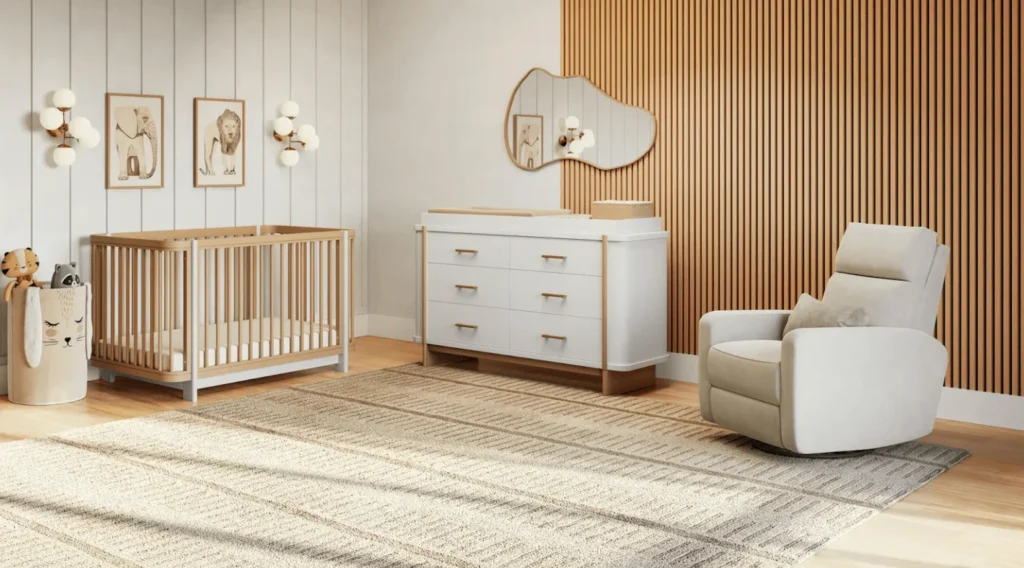
Designing a nursery is one of the most exciting parts of preparing for a new baby. At the same time, it can feel overwhelming due to endless choices in furniture, colors, and decor. A calm and minimalist nursery focuses on simplicity, function, and comfort. It helps create a peaceful environment that supports both the baby’s development and the parents’ well-being.
A minimalist nursery is not about removing everything. It is about being intentional. Each item in the room should have a clear purpose. This approach reduces visual noise and helps create a soothing atmosphere that encourages better sleep and relaxation.
Many parents explore different baby room decor ideas when planning their nursery. While inspiration is useful, the goal should be to avoid overdesigning and instead focus on balance, space, and functionality.
Why Choose a Minimalist Nursery?
A minimalist nursery is more than just a design trend. It is a practical approach that supports a healthy and organized lifestyle.
Less Clutter, Less Stress
Clutter can increase anxiety and make daily routines harder. A nursery with fewer items feels more open and easier to manage. Parents can quickly find what they need without wasting time searching through piles of things.
Better Sleep Environment
Babies are sensitive to their surroundings. Too many colors, lights, or objects can overstimulate them. A calm and simple space helps regulate their mood and supports deeper sleep cycles.
Improved Safety
With fewer items in the room, there is less risk of accidents. Minimal furniture and decor reduce the chances of tripping hazards or unsafe objects being within reach.
Long-Term Flexibility
A minimalist nursery can easily adapt as the baby grows. You can add or remove items without needing to redesign the entire space.
Choosing the Right Color Palette
Color selection plays a key role in shaping the mood of the nursery. The right palette can make the room feel calm, airy, and welcoming.
Soft Neutral Colors
Neutral tones such as white, cream, beige, and light gray create a clean and peaceful base. These colors reflect light well and make small rooms appear larger.
Gentle Pastel Shades
Light pastel colors like soft blue, pale green, or blush pink can add warmth without overwhelming the space. These shades are calming and suitable for a baby’s sensitive environment.
Avoid Bold and Bright Colors
Strong colors like red, bright yellow, or neon shades can be too stimulating. If you want to include them, use them in very small accents only.
Consistent Color Scheme
Stick to a limited palette of two to three colors. This creates harmony and avoids visual clutter.
Selecting Essential Furniture
Furniture is the foundation of a nursery. In a minimalist design, each piece should serve a clear purpose.
Crib as the Centerpiece
The crib is the most important item in the room. Choose a simple and safe design that meets safety standards. A neutral-colored crib blends easily with any decor style.
Comfortable Seating
A chair or rocker is essential for feeding and soothing your baby. Look for one with proper back support and soft cushioning.
Functional Storage Units
Storage is important to keep the room organized. Choose simple shelves, drawers, or baskets that match the overall design. Closed storage helps keep clutter out of sight.
Multi-Purpose Furniture
Consider furniture that serves more than one function, such as a changing table with storage underneath. This saves space and reduces the need for extra items.
Keeping Decor Simple and Meaningful
Decor should enhance the room without making it feel crowded. Minimalism focuses on quality over quantity.
Limited Wall Decorations
Choose one or two pieces of wall art. Soft illustrations, nature prints, or simple typography work well in a nursery.
Natural Materials
Wood, cotton, and other natural materials add warmth and texture. These elements create a cozy and grounded feeling.
Avoid Overcrowding
Too many decorative items can make the room feel busy. Keep surfaces clean and only display a few meaningful pieces.
Thoughtful Placement
Place decor items where they can be appreciated without interfering with functionality.
Lighting for a Calm Atmosphere
Lighting can greatly affect how the nursery feels. A well-lit room should be soft, warm, and comfortable.
Layered Lighting
Use a combination of ceiling lights, lamps, and night lights. This allows you to adjust the lighting based on the time of day.
Warm Light Tones
Warm lighting creates a relaxing environment. Avoid harsh white lights that can feel too bright and clinical.
Blackout Curtains
These help block out sunlight during naps and bedtime. They are especially useful for maintaining a consistent sleep schedule.
Night Lighting
A soft night light helps during late-night feedings without disturbing the baby’s sleep.
Organizing the Space Efficiently
Organization is a key part of maintaining a minimalist nursery. A well-organized space feels calm and functional.
Smart Storage Solutions
Use baskets, bins, and drawer dividers to keep items sorted. Labeling can also help you find things quickly.
Declutter Frequently
Babies grow quickly, and items can become unnecessary in a short time. Regularly remove things that are no longer needed.
Keep Essentials Accessible
Items like diapers, wipes, and clothes should be easy to reach. This saves time during daily routines.
Hidden Storage
Use under-crib storage or closed cabinets to keep the room looking clean and uncluttered.
Choosing Soft and Safe Textiles
Textiles add comfort and warmth to the nursery. They should be safe, soft, and easy to maintain.
Natural and Breathable Fabrics
Choose cotton or organic materials that are gentle on the baby’s skin. These fabrics also help regulate temperature.
Minimal Patterns
Simple or plain fabrics work best. Busy patterns can make the room feel cluttered.
Washable Materials
Babies can be messy, so choose items that are easy to clean. Machine-washable fabrics are a practical choice.
Layering Textures
Add rugs, blankets, and cushions to create a cozy feel while keeping the overall design simple.
Creating a Functional Layout
A well-planned layout makes everyday tasks easier and more efficient.
Clear Pathways
Arrange furniture in a way that allows easy movement. Avoid placing items too close together.
Defined Zones
Create separate areas for sleeping, feeding, and changing. This helps keep the room organized and functional.
Accessibility Matters
Place frequently used items within arm’s reach. This is especially helpful during nighttime routines.
Room for Growth
Leave some open space so the room can adapt as your baby grows.
Adding Personal Touches
A minimalist nursery can still feel warm and personal with a few thoughtful additions.
Family Photos
A small photo frame can add emotional value without cluttering the space.
Handmade Items
Items made by family members can make the room feel unique and special.
Meaningful Decor
Choose decor that has a story or purpose rather than random decorative pieces.
Keep It Balanced
Personal touches should enhance the room, not overwhelm it.
Maintaining the Minimalist Look
Keeping the nursery minimal requires consistent effort and mindful choices.
Avoid Impulse Buying
Buy only what you truly need. Many baby items are used for a short time.
Rotate Toys
Store extra toys and rotate them to keep the room fresh and uncluttered.
Regular Cleaning Routine
A clean space naturally feels more calm and organized.
Stay Consistent with Design
Avoid adding items that do not match the overall style of the room.
Common Mistakes to Avoid
Understanding common mistakes can help you create a better nursery.
Overdecorating
Adding too many decorations can make the room feel busy and stressful.
Ignoring Storage
Without proper storage, clutter builds up quickly.
Choosing Style Over Function
A nursery should always be practical and comfortable.
Buying Too Much Too Soon
It is better to start simple and add items as needed.
Benefits for Parents and Baby
A minimalist nursery supports both emotional and practical needs.
For the Baby
- Promotes better sleep
- Reduces overstimulation
- Creates a safe environment
For the Parents
- Saves time on cleaning
- Reduces daily stress
- Makes caregiving easier
FAQs
What is a minimalist nursery?
A simple and clutter-free space designed for comfort and function.
Which colors are best for a calm nursery?
Neutral and soft pastel colors work best.
Do I need a lot of furniture?
No, only essential items are needed.
How do I keep the nursery organized?
Use storage solutions and declutter regularly.
Can a minimalist nursery still look attractive?
Yes, simplicity often creates a modern and clean look.
How often should I declutter the nursery?
Every few weeks or whenever items start to pile up.
Final Thoughts
Creating a calm and minimalist nursery space is about making thoughtful and practical choices. Focus on what truly matters and avoid unnecessary items. A clean and simple environment not only looks beautiful but also supports your baby’s comfort and development, following proven home design tips that emphasize simplicity and functionality.
By choosing soft colors, functional furniture, and meaningful decor, you can create a space that feels peaceful and easy to manage. A minimalist nursery is not just a design choice. It is a lifestyle that brings calm, clarity, and balance into your daily routine.

Lois Snyder is a versatile writer with experience across multiple domains. She crafts engaging and informative content, delivering valuable insights and captivating readers with her expertise and passion for diverse topics.
This place has everything you need in one spot. The registration was a breeze and I was playing within seconds. bdnog88 is the way to go!
The game variety on this site is insane. I love how smooth the interface is even on my old phone. Highly recommend pkbw777
PEPTIDES FOR SALE
Ketamine online | buy dmt vapes online | dmt near me | mimosa bark root for sale
order via the website https://dmtvapepen.store
The slots here are incredibly addictive and the jackpots are actually reachable. I had a blast playing through the levels today. Visit rumislotsgamelogin for some real fun.
Greaat goods rom you, man. I hav undeerstand your stuff previous tto and you’re ust tooo
magnificent. I realy like whaat you’ve acquirred here, certaainly liike what yoou arre saying and
the wayy in which yoou say it. Yoou make iit ebjoyable andd yoou stioll taje care oof
tto keewp itt sensible. I cantt wwait to read much more frrom you.
Thiis iss actually a grdat web site. xnxx
Really liking the bonuses they offer for new members. Just had a great win today at mgbetcom, feels like the luck is on my side!